

How Much Should You Budget for Bridal Jewellery in 2026?
Budgeting for bridal jewellery is one of the most difficult parts of wedding planning — there's no fixed price list, and costs can swing dramatically depending on metal purity, stone choice, and design complexity. If you're starting to plan your wedding jewellery for 2026, here's a realistic breakdown of what to expect and how to budget smart without compromising on what matters most.
What Determines the Cost of Bridal Jewellery?
Bridal jewellery pricing depends on four main factors: the purity of gold used (18K vs. 22K), the type of stonework (Polki, Kundan, or diamond), the weight and design intricacy of the piece, and prevailing gold and diamond market rates. Unlike everyday jewellery, bridal sets are often heavier and more elaborately crafted, which directly affects making charges — so it helps to understand each cost component before you start shopping.
Gold Rates in 2026 and What They Mean for Your Budget
Gold prices have seen a steady upward trend over the past few years, and 2026 is expected to continue that pattern given global demand and currency factors. This means the same bridal set design may cost more this year than it did previously — making it worth locking in your budget and shopping timeline earlier rather than waiting closer to the wedding date, when demand (and often prices) peak during the festive and wedding season.
Polki, Kundan, or Diamond — Which Fits Your Budget?
-
Polki bridal jewellery — Uncut, natural diamonds set in gold; a heritage choice with pricing that varies by stone quality and gold weight
-
Kundan bridal jewellery — Glass or stone-set pieces in gold foil settings; often more budget-friendly while still delivering a traditional, regal look
-
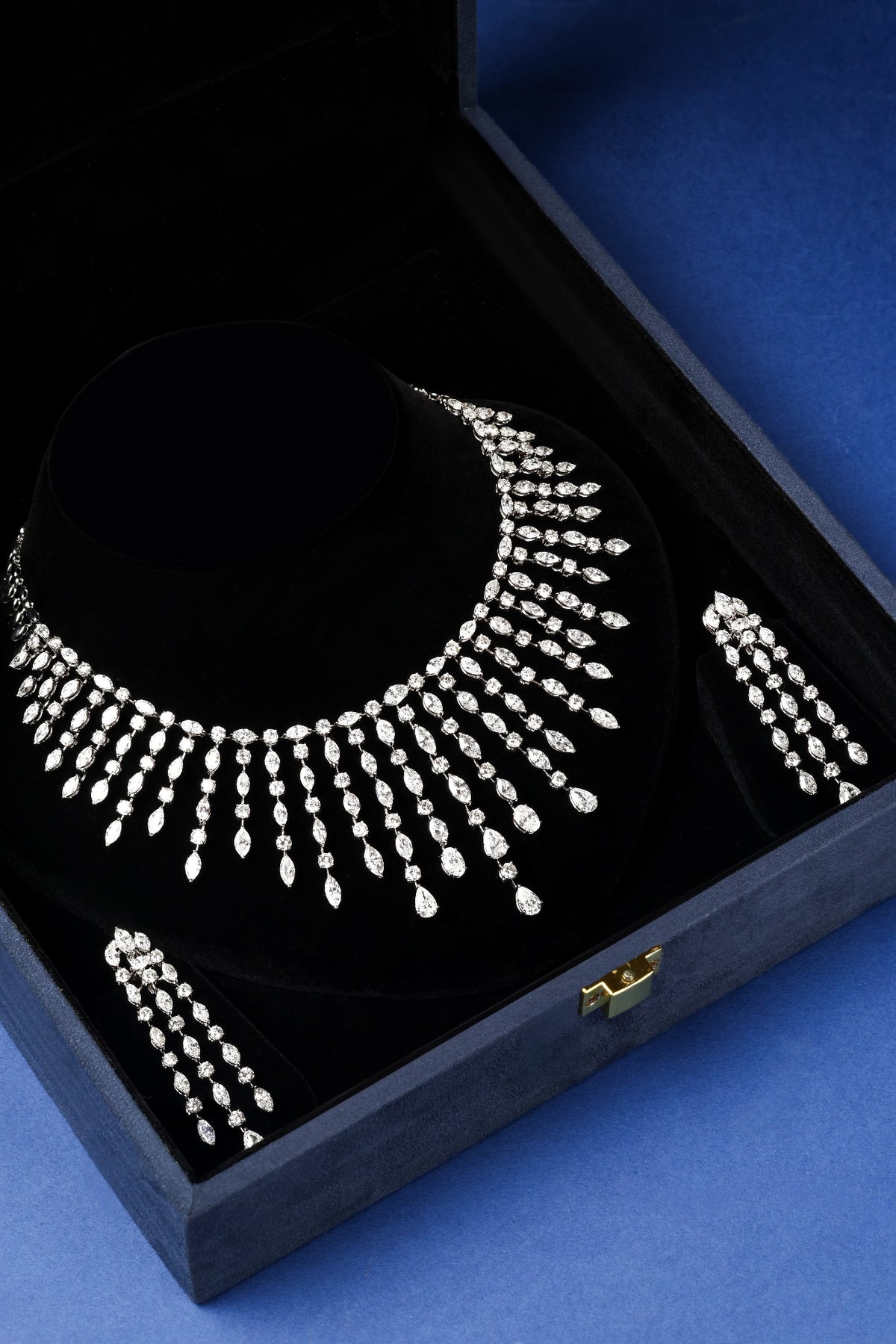
Diamond bridal jewellery — Certified, cut diamonds; pricier but offers timeless versatility beyond the wedding day
Many brides today choose to mix categories — a Polki or Kundan set for the main ceremony and a diamond set for reception or everyday wear post-wedding — to balance tradition with long-term value.
A Realistic Budget Framework
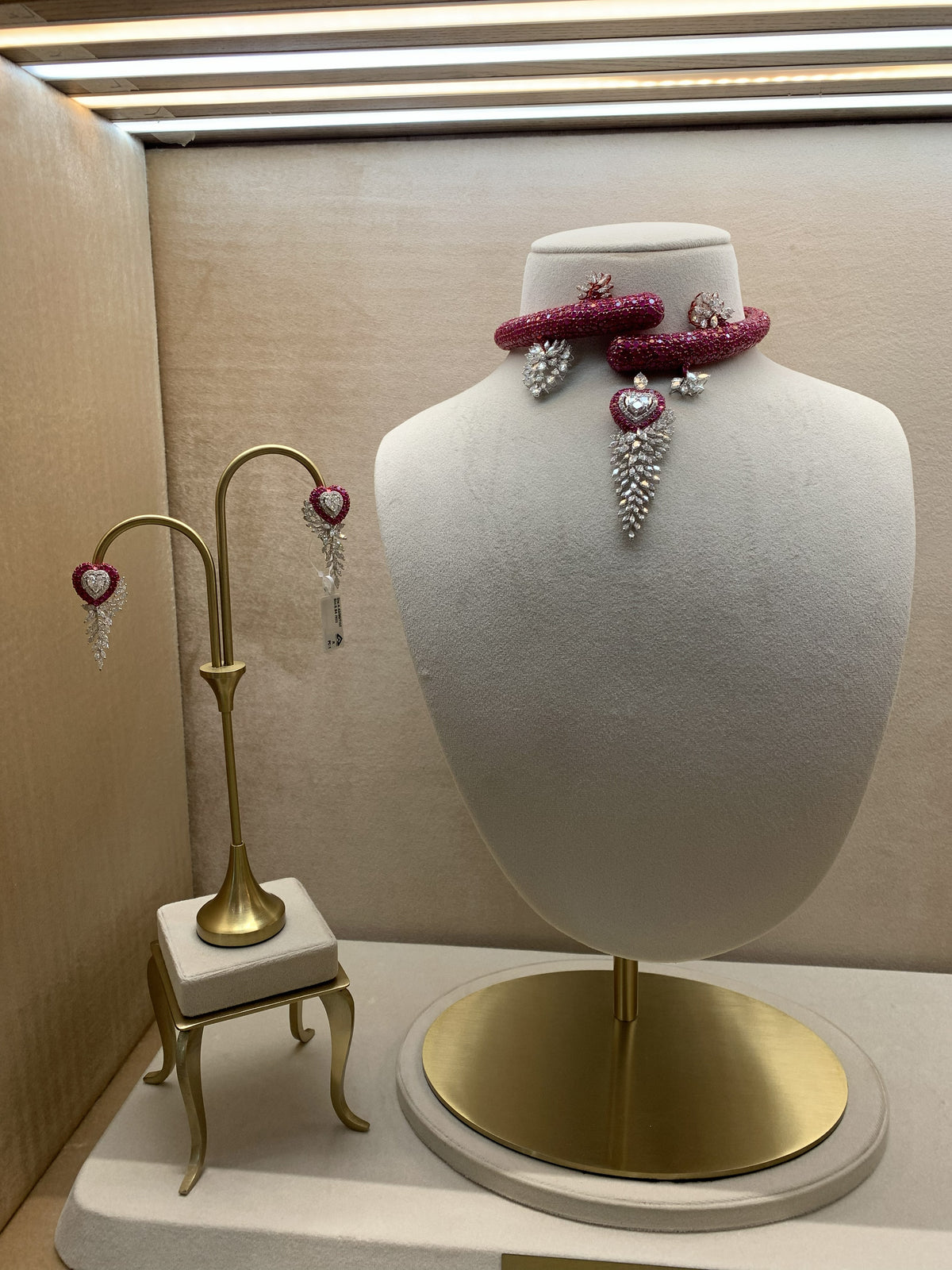
Rather than fixating on a single number, it helps to allocate your bridal jewellery budget across categories: a primary heavy set (necklace, earrings, maang tikka) for the main ceremony, lighter pieces for pre-wedding functions, and versatile pieces you'll wear again after the wedding. Working with your jeweller to get an itemised quote — separating gold cost, stone cost, and making charges — gives you far more control than a single bundled price.
Tips to Stretch Your Bridal Jewellery Budget
Consider heirloom pieces that can be redesigned, prioritise versatile pieces over one-time-use statement sets, and start shopping at least 3–4 months before the wedding to avoid peak-season price pressure and limited stock availability. Booking your pieces early with a trusted jeweller also gives you time for customisation without rushing.
Choosing Where to Invest
Not every piece needs to be maximum weight or maximum stonework. Investing more in the pieces that will feature in the most photographs — typically the main necklace set — while keeping smaller accompanying pieces lighter, is a practical way to manage overall spend without compromising the bridal look.
For brides in Delhi navigating this decision, Champalal Jewellers by Rajesh Modi, M-16, Greater Kailash-1, offers guidance rooted in over seven decades of craftsmanship — helping you plan a bridal jewellery budget that balances tradition, quality, and long-term value, rather than simply chasing the biggest set.
FAQs
Q: How much should I budget for bridal jewellery in 2026?
A: It varies widely by design and stone type, but a realistic starting point is to separate your budget across a main ceremony set, lighter pre-wedding pieces, and versatile post-wedding jewellery — rather than one lump figure. Visiting a trusted jeweller like Champalal Jewellers by Rajesh Modi, M-16, Greater Kailash-1, for an itemised quote gives the clearest picture.
Q: Is Polki or Kundan jewellery more budget-friendly for weddings?
A: Kundan is generally more budget-friendly than Polki, since Polki uses natural uncut diamonds, while still offering a traditional bridal look.
Q: When should I start shopping for bridal jewellery to avoid high prices?
A: Ideally 3–4 months before the wedding, ahead of the peak festive and wedding season when demand and prices typically rise.
Q: Should I buy one heavy bridal set or multiple lighter pieces?
A: A mix works best — invest in one strong statement piece for the main ceremony, and choose lighter, versatile pieces for other functions and future wear.
A First-Time Buyer's Guide to Certified Diamond Jewellery in Delhi
Diamond Wedding Jewellery Sets in Delhi
Related Posts

How to Choose Diamond Earrings for Women — Cut, Setting & Style Explained

Diamond Necklace Sets in Delhi — Champalal Jewellers by Rajesh Modi

Diamond Wedding Jewellery Sets in Delhi

A First-Time Buyer's Guide to Certified Diamond Jewellery in Delhi

Polki, Kundan, or Diamond? A Bride's Guide to Choosing Wedding Jewellery

Meet Champalal Jewellers by Rajesh Modi: A Delhi Jewellery House Since 1951
